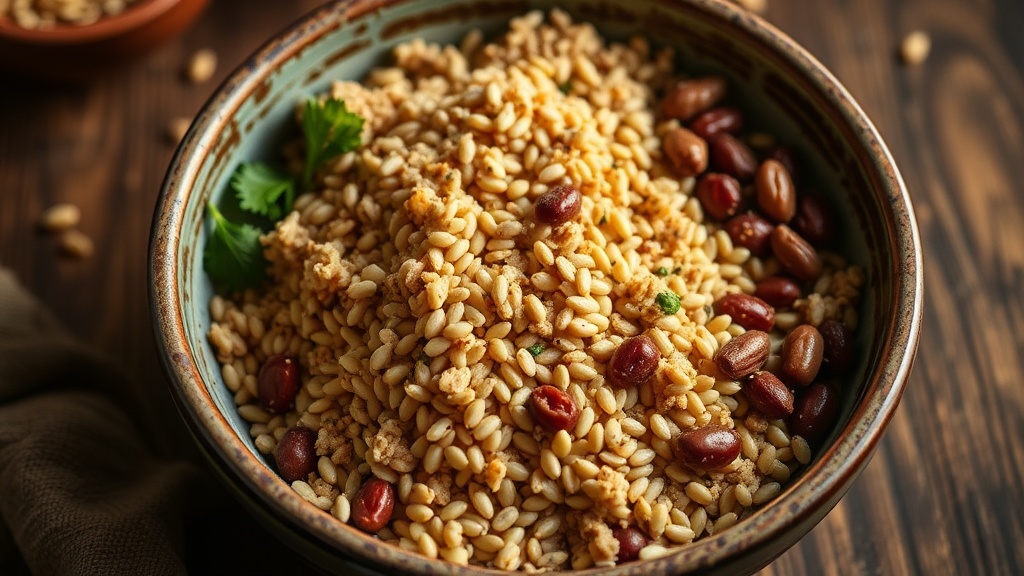
Ancient Grains and Modern Bowls: Reimagining Your Daily Grain Base

Farro: The Chewy Texture King
Quinoa: The Versatile Protein Powerhouse
Millet: A Gentle, Nutty Introduction
Buckwheat: Bold Flavor for Savory Dishes
Are you tired of the same old white rice or quinoa every single Tuesday night? This post explores how to swap out standard starches for ancient grains like farro, buckwheat, and amaranth to add texture and nutritional depth to your bowls. We'll look at the distinct flavors of these grains, how to cook them properly, and how to build a balanced meal around them.
What Are Ancient Grains and Why Use Them?
Ancient grains are cereal crops that have remained largely unchanged by modern breeding techniques for thousands of years. Unlike the highly processed wheat or white rice you find in most grocery aisles, these grains—such as spelt, einkorn, and millet—retain much of their original nutritional profile and a much more interesting mouthfeel.
The main reason to use them is the sheer variety of textures they bring to a dish. A bowl of soft, mushy rice can feel one-dimensional. A bowl of pearled farro, however, offers a chewy, nutty bite that holds up even when you pour a heavy dressing over it. (I personally prefer the chew of farro in a cold salad, but I'll stick to rice for a quick stir-fry.)
Most of these grains are higher in fiber and minerals than their refined counterparts. If you check out the Wikipedia page on ancient grains, you'll see they've been staples in human diets for millennia because they are incredibly hardy and nutrient-dense.
The Texture Profile: A Comparison
Choosing the right grain depends entirely on what you want the final "vibe" of your meal to be. I've broken down the most common varieties below so you can match them to your cooking style.
| Grain Type | Texture | Best Used For... |
|---|---|---|
| Farro | Chewy, firm, nutty | Warm grain bowls, hearty salads |
| Quinoa | Light, fluffy, slightly crunchy | Breakfast porridges, breakfast bowls |
| Buckwheat | Soft, earthy, slightly gritty | Savory bowls, groats |
| Amaranth | Tiny, creamy, almost porridge-like | Hot breakfasts, thickeners |
| Freekeh | Very chewy, smoky flavor | Soups or heavy Mediterranean-style bowls |
How Do You Cook Ancient Grains Properly?
The best way to cook ancient grains is to toast them in a dry pan before adding liquid to deepen their flavor. This simple step changes everything. It moves the grain from "bland starch" to "flavorful base."
Most people fail at cooking these because they treat them exactly like white rice. They aren't the same. A grain like spelt or buckwheat often requires a longer soak or a longer simmer time to reach that perfect "al dente" state. If you don't get the timing right, you end up with a bowl of gravel or a bowl of mush. Neither is particularly pleasant.
- The Toasting Method: Toss your dry grains into a heavy-bottomed pot or a cast-iron skillet. Heat it over medium heat for 3-5 minutes until you smell a nutty aroma.
- The Liquid Ratio: Use a 2:1 ratio of liquid to grain for most varieties, but keep an eye on the specific package instructions. For example, if you're using Bob's Red Mill products, they often have specific timing on the back.
- The Resting Period: Once the liquid is absorbed, turn off the heat, put the lid back on, and let it sit for 10 minutes. This is non-negotiable. It allows the steam to finish the job without burning the bottom of the pot.
- The Fluff: Use a fork, not a spoon, to fluff the grains. A spoon can mash the delicate structures of grains like amaranth.
If you want to get even more sophisticated, don't just use water. Use vegetable or chicken stock. This is one of the real secrets to cooking restaurant-quality meals at home. It adds a layer of seasoning that water simply can't provide.
Which Grains Pair Best with Savory Toppings?
Heavy, savory toppings like roasted vegetables, proteins, and tahini dressings pair best with grains that have a significant "bite," such as farro or freekeh. These grains act as a sturdy foundation for heavier ingredients. If you use a delicate grain like quinoa, a heavy mushroom ragu might overwhelm it entirely.
I've found that a grain's flavor profile dictates what you should add to it. For instance:
- Nutty Grains (Farro, Spelt): These love earthy flavors. Think roasted root vegetables, balsamic glazes, or even a bit of goat cheese.
- Mild Grains (Quinoa, Millet): These are blank canvases. You can go sweet with honey and berries or savory with avocado and lime.
- Smoky Grains (Freekeh): These are perfect for Mediterranean dishes. Pair them with charred peppers, olives, or even a dollop of Greek yogurt.
It's a bit of a balancing act. If your grain is heavy and chewy, you want something-acidic to cut through the density. A squeeze of lemon or a splash of apple cider vinegar is often the missing piece in a grain bowl that feels "too heavy."
One thing I've noticed is that people often forget about the "crunch" factor. A grain bowl can become a texture nightmare if everything is soft. Always add a textural element at the end—toasted pumpkin seeds, sliced almonds, or even a handful of crispy chickpeas—to keep things interesting.
Wait, don't forget the fats. A grain bowl without a healthy fat is just a bowl of starch. Whether it's a drizzle of extra virgin olive oil or a dollop of hummus, you need that fat to carry the flavors across your palate.
Speaking of flavor, if you find yourself with leftover ingredients from your grain prep, don't let them go to waste. You can actually find unexpected ways to use leftover items in your kitchen to prevent waste, though grains are usually best used immediately or stored in an airtight container in the fridge for up to four days.
If you're making a grain-based breakfast, try using buckwheat. It has a much deeper, more complex flavor than standard oatmeal. It's a great way to break out of the breakfast rut. Just be careful not to overcook it into a paste—keep that texture intact.
When you're shopping, look for organic options if your budget allows. Since grains like buckwheat and amaranth are often consumed in whole forms, you want to ensure you're getting the highest quality possible without unnecessary additives.
The beauty of these grains is their versatility. You aren't stuck with one recipe. A batch of farro can be a lunch salad on Monday and a side dish for a roast on Wednesday. It's about making the most of what you have in your pantry.
The next time you're staring at a bag of white rice, ask yourself if you've actually tried the alternatives. The difference in satisfaction is massive. It's a small change that makes a big impact on your daily eating habits.