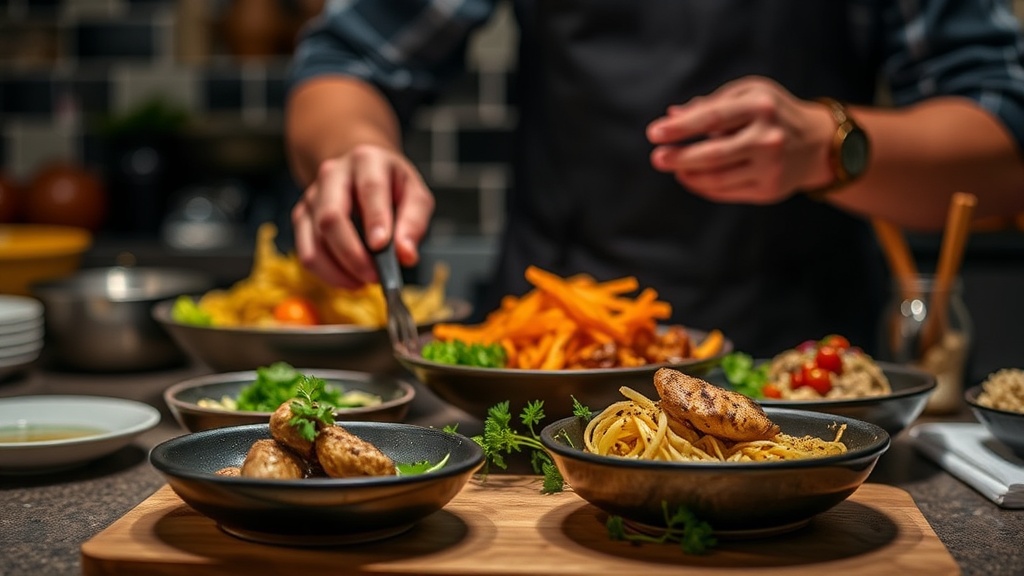
The Real Secrets to Cooking Restaurant-Quality Meals at Home (Without Overcomplicating Everything)

There’s a persistent myth that restaurant-quality food requires either professional training, expensive equipment, or an unreasonable amount of time. It doesn’t. What it does require is intention—small decisions made consistently that stack up into something noticeably better on the plate.
If you’ve ever followed a recipe exactly and still felt like something was missing, this is for you. The gap between good and great cooking isn’t about complexity—it’s about control, attention, and knowing where to focus your effort.
Start With Heat: Most Home Kitchens Are Too Gentle
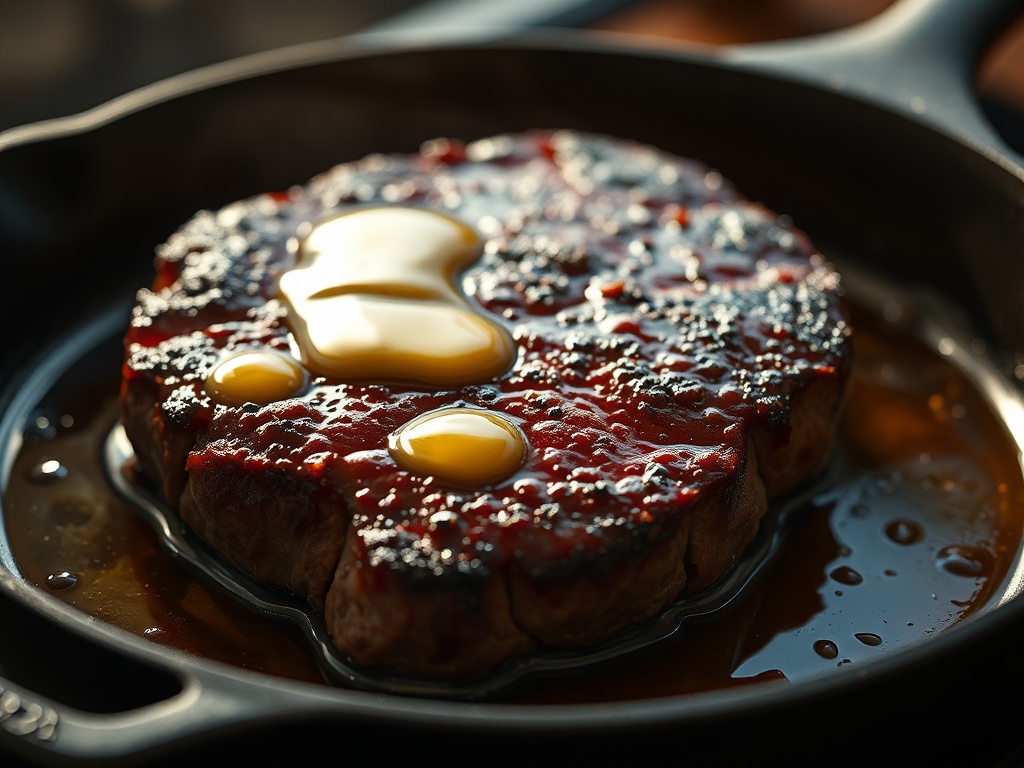
The biggest difference between home cooking and restaurant cooking is heat. Professional kitchens are aggressive with it. Most home cooks are cautious to a fault.
If your pan isn’t hot enough, you don’t get a proper sear. If your oven isn’t preheated long enough, you get uneven cooking. If you overcrowd a pan, you steam instead of brown.
What to change immediately:
- Let pans preheat longer than you think—especially cast iron or stainless steel.
- Cook proteins in batches instead of crowding.
- Don’t move food too early; let it develop a crust.
That deep browning—the Maillard reaction—is where flavor lives. Skip it, and everything tastes flatter no matter how good your ingredients are.
Mise en Place Isn’t Fancy—It’s Practical
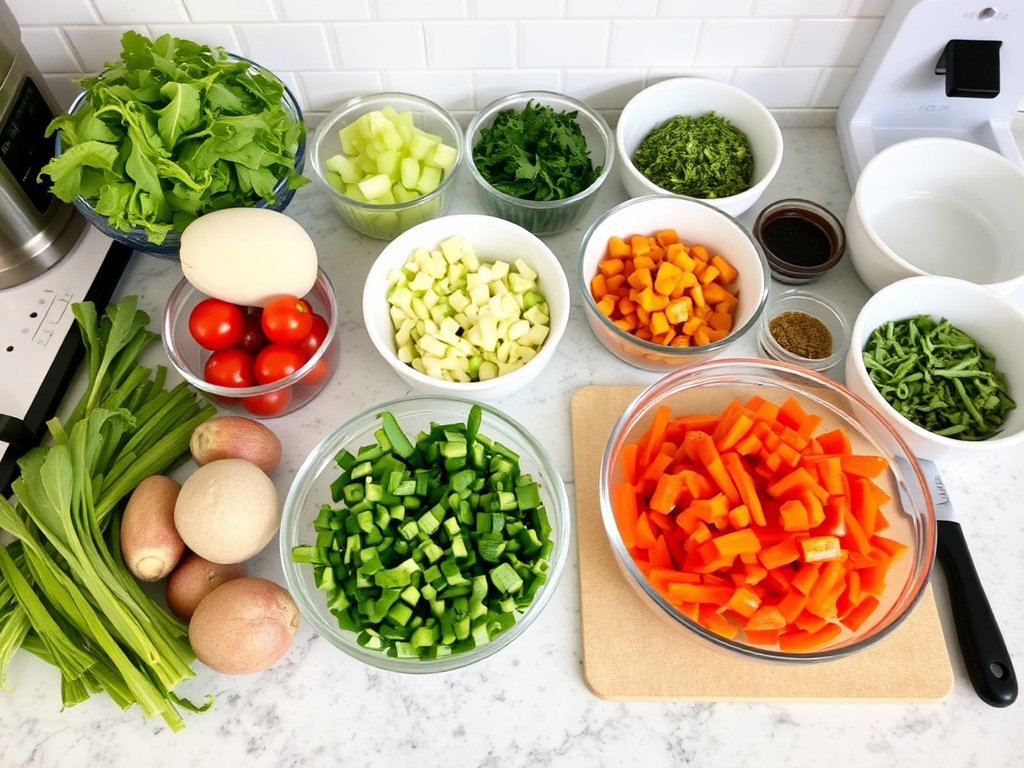
Yes, the term sounds like something you’d hear in a culinary school, but it’s just a simple habit: get everything ready before you start cooking.
Restaurants don’t scramble mid-recipe. Ingredients are prepped, measured, and within reach. That’s how dishes come together smoothly instead of feeling chaotic.
Why it matters:
- You avoid overcooking while searching for ingredients.
- You stay focused on timing.
- You make better decisions because you’re not rushed.
Even a quick 5-minute prep session changes how your cooking feels—and tastes.
Seasoning Is a Skill, Not a Step
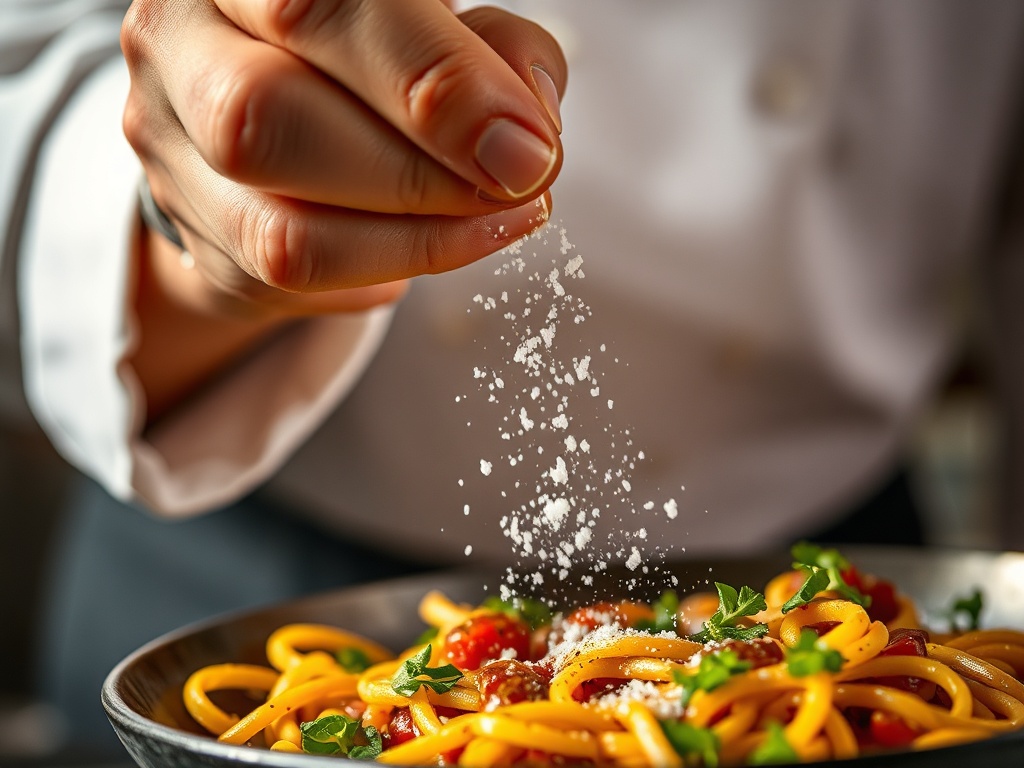
Recipes often treat salt like a measurement. In reality, seasoning is layered and adjusted constantly.
Professional cooks taste repeatedly. They season early, during cooking, and at the end.
Practical approach:
- Salt ingredients lightly as you go, not just at the end.
- Taste after each major step.
- Balance salt with acid (lemon, vinegar) rather than adding more salt blindly.
If your food tastes "fine" but not memorable, under-seasoning is usually the culprit.
Fat Carries Flavor—Use It Intentionally
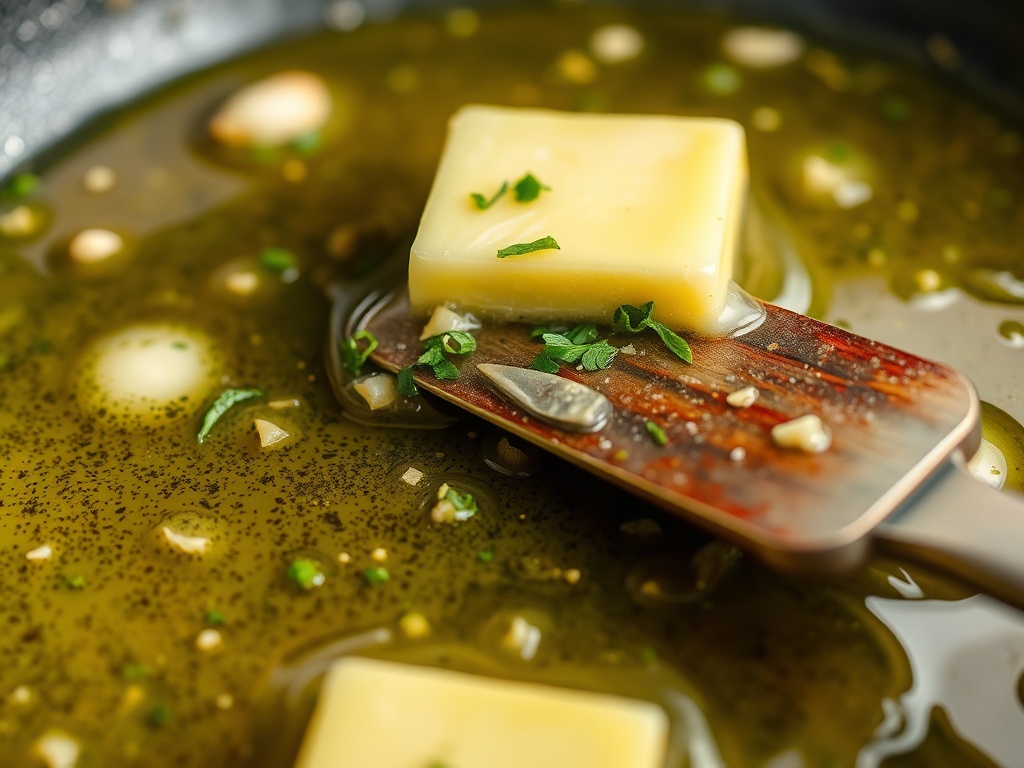
Butter, oil, and rendered fats aren’t just cooking mediums—they’re flavor tools.
Restaurants finish dishes with fat for a reason. It rounds out sharp edges and makes everything feel richer without necessarily adding complexity.
Where this shows up:
- A knob of butter whisked into a pan sauce.
- Olive oil drizzled over vegetables just before serving.
- Fat used to carry aromatics like garlic and herbs.
This is often the difference between a dish tasting homemade and tasting complete.
Texture Matters More Than You Think
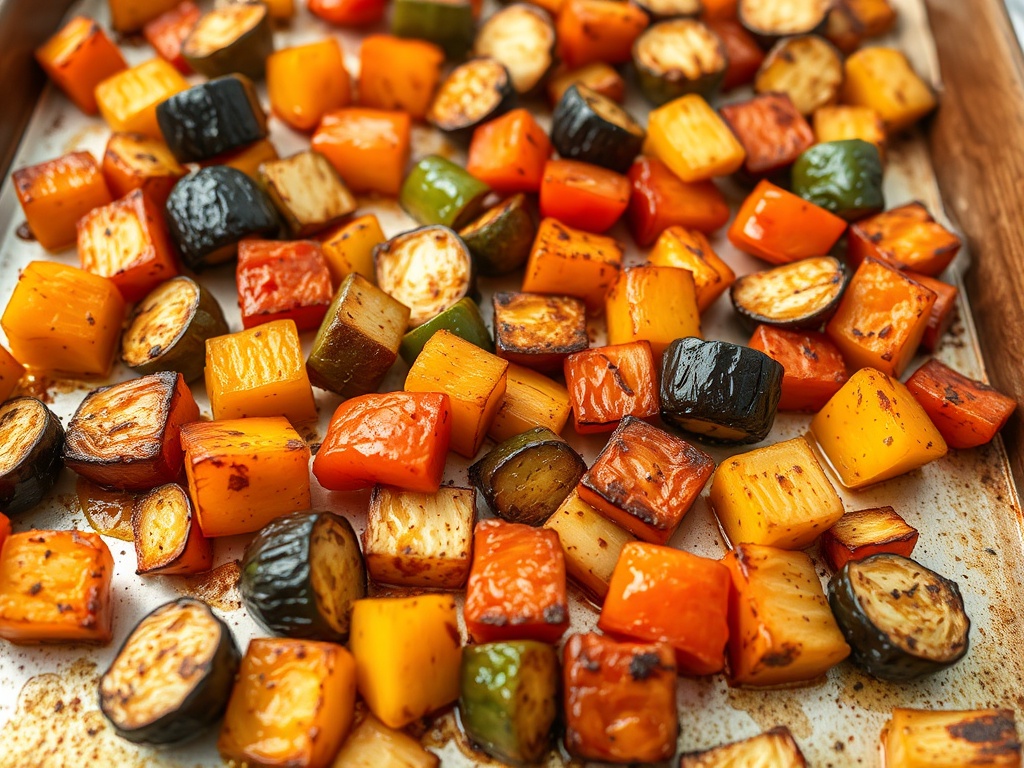
Great dishes aren’t just about flavor—they’re about contrast.
Soft, crispy, creamy, crunchy—these elements make food interesting. Without them, even well-seasoned dishes can feel one-dimensional.
Easy upgrades:
- Add something crisp (toasted nuts, breadcrumbs, seared edges).
- Balance creamy components with acidity or crunch.
- Don’t overcook vegetables—retain some bite.
Texture is what keeps you going back for another bite.
Presentation Changes Perception
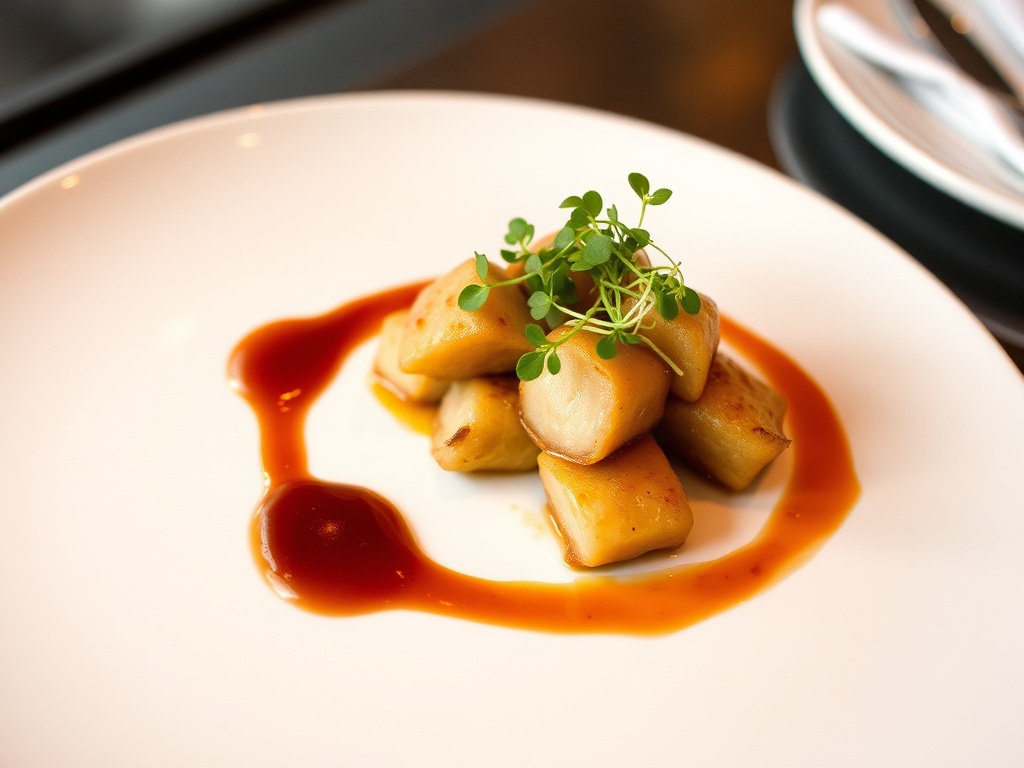
People underestimate how much plating affects taste. The same food arranged thoughtfully feels more intentional—and often tastes better as a result.
You don’t need tweezers or microgreens. You just need restraint.
Simple rules:
- Wipe plate edges before serving.
- Stack or layer instead of spreading everything flat.
- Use contrast in color and shape.
It’s not about being fancy. It’s about making the dish look like it deserves attention.
Cook With Feedback, Not Blindly
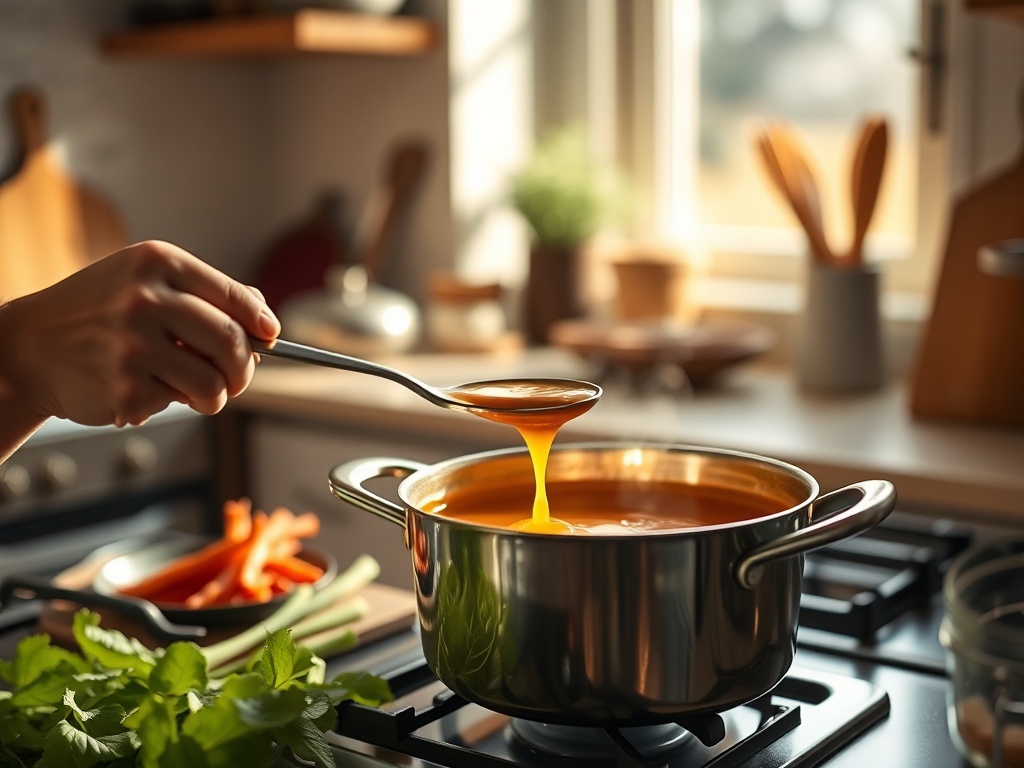
Recipes are guides, not scripts. Ingredients vary. Heat varies. Your taste preferences definitely vary.
The biggest upgrade you can make is to stop cooking on autopilot.
What this looks like in practice:
- Tasting constantly.
- Adjusting seasoning, acidity, or texture as you go.
- Recognizing when something needs more time—or less.
This is where intuition starts to develop, and it’s what separates confident cooks from hesitant ones.
The Bottom Line
You don’t need a professional kitchen to cook like one. You need better habits.
Focus on heat, preparation, seasoning, texture, and feedback. Ignore the noise about complicated techniques unless they actually serve the dish.
The goal isn’t perfection—it’s consistency. Once you lock in these fundamentals, everything you cook improves, almost automatically.
And that’s when cooking stops feeling like effort and starts feeling like control.