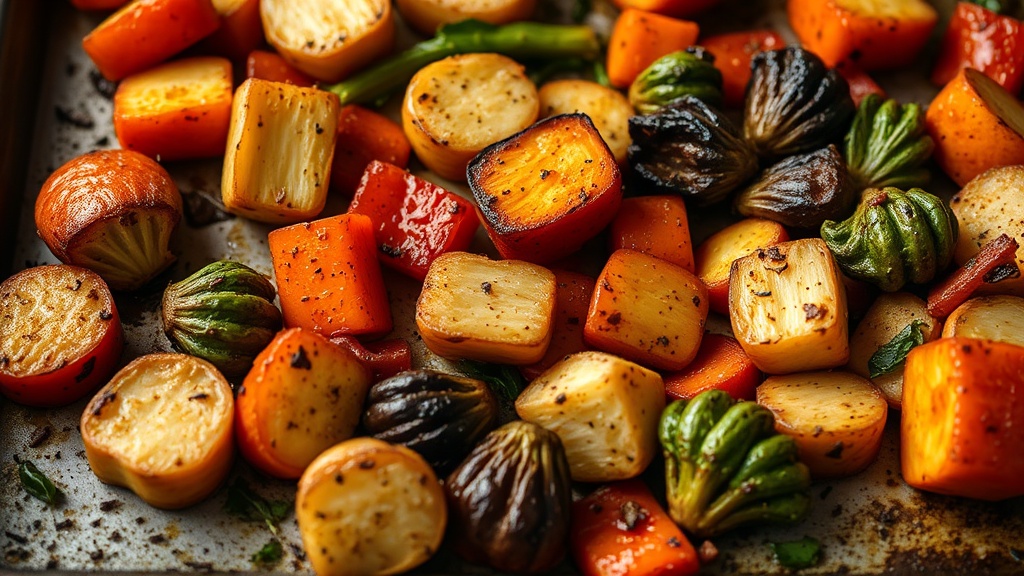
Your Guide to Crispy, Flavorful Roasted Vegetables

Your Guide to Crispy, Flavorful Roasted Vegetables
This guide will teach you the straightforward steps to transform ordinary vegetables into incredibly flavorful, perfectly tender, and delightfully crispy roasted dishes—eliminating soggy results and elevating your everyday meals. Forget bland side dishes; we're going to unlock the full potential of your produce, turning simple ingredients into something truly delicious with minimal fuss. Whether you're aiming for a weeknight staple or a show-stopping side for a special occasion, these techniques will become your go-to for vegetable perfection.
Why Do My Roasted Vegetables Turn Out Soggy?
It’s a common frustration: you put a tray of vibrant vegetables into a hot oven, anticipating crisp edges and tender interiors, only to pull out a soggy, steamed mess. The primary culprit behind this culinary disappointment is almost always excess moisture and overcrowding. When vegetables release their natural water content in a crowded pan, that moisture has nowhere to go. Instead of evaporating and allowing the vegetables to brown and crisp, it essentially steams them in their own juices.
- Overcrowding the Pan: This is perhaps the biggest mistake. When too many vegetables are packed onto a single baking sheet, they can't properly breathe. The moisture they release gets trapped, turning your oven into a steamer rather than a roaster. Always give your vegetables plenty of space; they should be in a single layer with a little breathing room between each piece. If you have a lot of vegetables, use multiple trays.
- Insufficiently Hot Oven: A high temperature is your friend when it comes to roasting. If your oven isn't hot enough (we're talking 400-425°F or 200-220°C), the vegetables won't get that initial blast of heat needed to drive off surface moisture quickly and kickstart the caramelization process.
- Not Drying Your Vegetables: Any residual water on the surface of your chopped vegetables will contribute to sogginess. After washing, take the time to thoroughly pat them dry with a clean kitchen towel or paper towels. This seemingly small step makes a significant difference in achieving that coveted crisp exterior.
- Lack of Fat: Oil doesn't just prevent sticking; it's crucial for conducting heat evenly and creating that golden-brown crust. Too little oil, and your vegetables might dry out without browning properly, or worse, stick to the pan and burn.
Which Vegetables Are Best for Roasting, and How Should I Prep Them?
Virtually any vegetable can be roasted, but some truly shine under high heat, developing incredible sweetness and complex flavors. The key is to select appropriate vegetables and prepare them thoughtfully for even cooking.
Root Vegetables (Carrots, Potatoes, Sweet Potatoes, Parsnips, Beets):
These hearty vegetables are ideal for roasting. They become wonderfully tender and caramelized with deep, earthy-sweet flavors.
- Preparation: Peel if desired (though skins can be left on for extra texture and nutrients, especially with smaller potatoes and carrots), then chop into roughly 1-inch pieces. For faster cooking and more surface area for browning, aim for uniform sizes. Toss with olive oil, salt, pepper, and herbs like rosemary or thyme.
Cruciferous Vegetables (Broccoli, Cauliflower, Brussels Sprouts):
Roasting transforms these often-maligned vegetables into crave-worthy delights, bringing out their natural sweetness and creating crispy, slightly charred edges.
- Preparation: Break broccoli and cauliflower into florets. Halve or quarter Brussels sprouts, depending on their size. For Brussels sprouts, ensure the cut side is facing down on the baking sheet for maximum browning. A light coating of olive oil, salt, and pepper is usually all they need, but a touch of garlic powder or a squeeze of lemon juice after roasting is fantastic.
Softer Vegetables (Bell Peppers, Zucchini, Asparagus, Onions):
These cook more quickly and can become mushy if overcooked, but roasted until tender-crisp, they're incredibly flavorful.
- Preparation: Chop bell peppers into strips or chunks. Slice zucchini into half-moons or spears. Trim asparagus ends. Cut onions into wedges. Because they release more water, proper drying and sufficient spacing are even more important here. They also benefit from slightly less roasting time than root vegetables, often being added to the pan later if roasting with a mix.
Squash (Butternut, Acorn, Delicata):
Squash varieties become incredibly sweet and creamy when roasted.
- Preparation: Peel and deseed hardier squash like butternut, then chop into 1-inch cubes. Delicata and acorn squash can often be roasted with their skins on (just remove seeds), making prep even easier. Season simply with oil, salt, pepper, and perhaps a pinch of cinnamon or nutmeg for a fall-inspired dish.
A Quick Note on Mixing Vegetables: If you're roasting a medley, try to group vegetables with similar cooking times on the same tray, or add slower-cooking items first and quicker-cooking ones halfway through. This ensures everything finishes at its peak.
What's the Trick to Achieving Consistent Doneness and Deep Flavor?
Beyond choosing the right vegetables and preparing them appropriately, a few key techniques guarantee that every piece on your tray is cooked perfectly, bursting with flavor and sporting those irresistible crispy bits.
1. Preheat Your Oven (and Your Pan!):
Don't just turn on the oven and immediately toss your vegetables in. Allow your oven to fully preheat to the specified temperature (typically 400-425°F or 200-220°C). Even better, place your empty baking sheet in the oven as it preheats. This creates a super-hot surface that immediately sears the vegetables when they hit the pan, preventing sticking and jumpstarting the browning process. Think of it like preheating a pan for searing meat—the principle is the same for vegetables.
2. The Right Amount of Oil:
Oil is essential for both flavor and texture. Use a good quality, high smoke point oil like olive oil, avocado oil, or grapeseed oil. The goal is to coat each piece of vegetable lightly but thoroughly—not to drown them. A good rule of thumb is about 1-2 tablespoons of oil per pound of chopped vegetables. Drizzle it over, then use your hands to really toss and coat everything evenly. This ensures even heat distribution and promotes that beautiful caramelization, often referred to as the