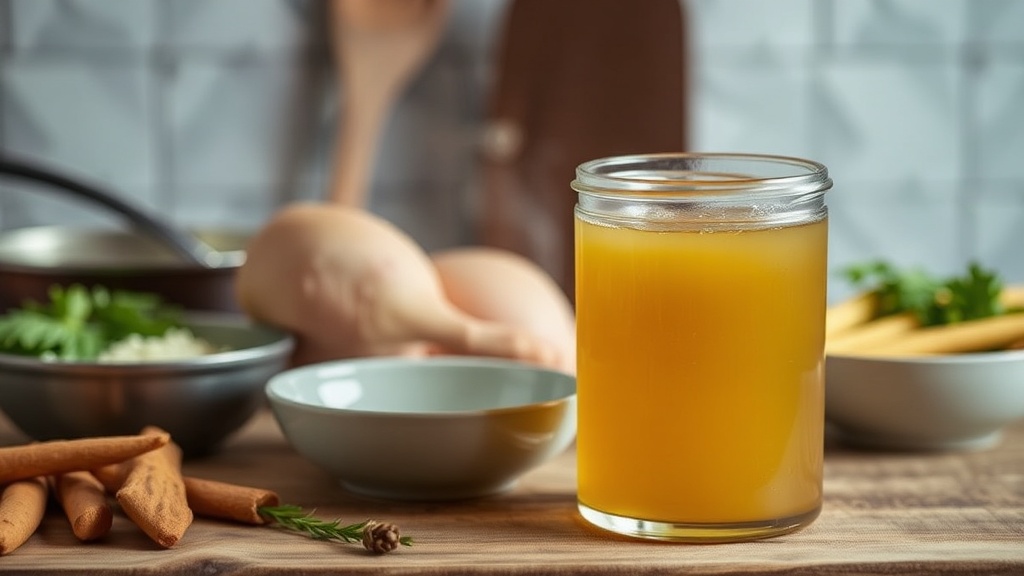
Why Homemade Chicken Stock Beats Store-Bought Every Time

Here's something most home cooks don't realize—professional kitchens go through gallons of stock weekly. A single mid-sized restaurant might simmer 50 quarts or more to build the depth you taste in their sauces, soups, and braises. Yet the average home cook reaches for a $4 carton of watered-down, salt-laden liquid and wonders why their dishes lack that restaurant magic. The gap isn't technique or equipment—it's the foundation.
Learning to make stock from scratch transforms your cooking in ways that justify every minute of simmering time. You'll extract collagen for that silky mouthfeel, minerals for nutritional depth, and complex flavors that no commercial product can replicate. The process demands mostly passive time—bones and vegetables bubbling away on your stove while you handle other tasks. What emerges is liquid gold: a versatile foundation that improves everything from Tuesday night rice to Sunday dinner gravy.
What ingredients make the best chicken stock?
The beauty of stock-making lies in its flexibility—and its ability to rescue ingredients that might otherwise hit the compost bin. Start with bones: roasted chicken carcasses from last night's dinner deliver deep, caramelized flavors, while raw backs, necks, and wing tips (often sold cheaply at butcher counters) create cleaner, lighter results. Don't be precious about ratios—a mix of both yields the most balanced liquid.
Your aromatic base follows the classic mirepoix formula: two parts onion to one part each carrot and celery. But rules exist to be bent. Leeks add subtle sweetness, fennel contributes anise notes that pair beautifully with fish dishes, and dried mushrooms inject umami depth that costs pennies compared to their fresh counterparts. Save vegetable trimmings—onion skins (which add golden color), celery leaves, carrot tops—in a freezer bag between stock-making sessions.
Acid matters more than most recipes suggest. Adding a tablespoon of apple cider vinegar or lemon juice helps break down connective tissues and draws calcium, magnesium, and other minerals from the bones into your liquid. You won't taste the tang—it dissipates during cooking—but you'll notice the difference in body and silkiness. Some cooks add tomato paste for color and subtle sweetness; others include whole peppercorns, bay leaves, or parsley stems. Keep it simple at first—master the basics, then experiment.
What you exclude proves equally important. Skip starchy vegetables like potatoes or parsnips—they break down and cloud your liquid. Avoid brassicas (cabbage, broccoli, Brussels sprouts) entirely; their sulfur compounds turn bitter and funky during extended simmering. And resist the urge to salt aggressively during cooking—reducing unsalted stock for sauces later would concentrate that saltiness into inedible intensity.
How long should you simmer chicken stock for maximum flavor?
Patience separates restaurant-quality stock from merely adequate versions. Chicken bones need at least four hours of gentle simmering to fully surrender their collagen—that protein transforms into gelatin, giving your stock the body that coats a spoon and clings to food. Six hours hits the sweet spot for most home setups; beyond that, you risk extracting bitter compounds from the vegetables without gaining significant additional depth.
Temperature control matters more than duration. Bring your pot to a bare simmer—occasional bubbles breaking the surface, not a rolling boil—and hold it there. High heat agitates the liquid, emulsifying fats and proteins into cloudy suspension. That milky appearance isn't just aesthetic—it signals that you've locked impurities into your stock rather than letting them rise as scum to be skimmed away.
The first hour demands attention. As proteins coagulate, foam rises to the surface—skim this diligently with a fine-mesh strainer or large spoon. Neglect this step and those impurities cook back into your liquid, creating off-flavors that no amount of subsequent straining can fix. After the initial skimming phase, you can largely ignore the pot, checking occasionally to ensure your simmer hasn't crept too high.
You'll know stock is done when the bones crumble slightly when pressed between tongs and the liquid has reduced by roughly a third. Strain through a fine-mesh sieve lined with cheesecloth for crystal clarity, or use a standard colander if you don't mind a rustic finish. Some cooks rapidly cool their stock in an ice bath to preserve freshness; others let it come to room temperature naturally. Either way, refrigerate promptly—within two hours of cooking—to maintain food safety.
What's the best way to store homemade chicken stock?
Your simmering investment deserves proper preservation. Rapid cooling prevents bacterial growth—transfer hot stock to shallow containers or set your pot in an ice bath, stirring occasionally to release heat. The goal is dropping below 40°F within two hours, the food safety threshold that keeps your liquid safe and fresh-tasting.
Refrigerated stock lasts four to five days, though you'll notice it thickens into jelly as the gelatin sets—that's the sign of quality. Before refrigeration, consider reducing some portion by half or more; this concentrated "demi-glace" style stock stores more efficiently and allows you to adjust consistency when reconstituting. A tablespoon of concentrate delivers the flavor of half a cup of regular stock.
Freezing offers the most practical long-term solution. Ice cube trays create perfect portions for pan sauces, gravies, or deglazing—each cube equals about two tablespoons of stock. Once frozen solid, transfer cubes to freezer bags and they'll keep for three months at peak quality (safe indefinitely, though flavor gradually dulls). For soup-making quantities, quart containers or heavy-duty freezer bags work beautifully—lay bags flat to freeze and they'll stack efficiently.
Professional kitchens often maintain "perpetual stock"—a simmering pot never fully emptied, continuously refreshed with new water and ingredients. Home cooks can approximate this by saving bones and vegetable trimmings in a dedicated freezer bag, adding to it after each roasted chicken dinner until you've accumulated enough for a fresh batch. The habit becomes self-sustaining: roast chicken Sunday, stock Monday, soup Tuesday, repeat.
Applications beyond soup
Stock's utility extends far beyond broth bowls. Cook grains like rice, quinoa, or farro in stock instead of water—the starch absorbs savory depth that transforms side dishes into stars. Braise tough cuts of meat or hardy vegetables in stock for fork-tender results with built-in sauce potential. Deglaze pans with a splash after searing proteins for instant pan sauces that taste like you trained in French kitchens.
Professional cooks reach for stock constantly: moistening stuffing, thinning purees, enriching mashed potatoes, poaching delicate proteins. Once you maintain a supply, you'll discover dozens of applications. As Serious Eats notes, homemade stock delivers "a richness and body that boxed broths can't touch"—the difference between good cooking and memorable meals.
The nutritional case complements the culinary one. Slow-simmered stock provides bioavailable minerals, collagen-derived amino acids like glycine and proline, and compounds that support joint and gut health. Research published in Chest Journal suggests chicken soup contains anti-inflammatory properties that may actually help fight respiratory infections—grandma's remedy has scientific backing. You're not just building flavor; you're creating genuinely nourishing food from ingredients that might otherwise be discarded.
Economically, the math is undeniable. A typical organic boxed broth runs $3-4 per quart. Homemade stock using saved carcasses and vegetable trimmings costs pennies; even purchasing backs and necks specifically, you'll produce superior liquid for roughly a quarter the price. The time investment is real—but largely passive. Set a pot simmering on Sunday afternoon, skim occasionally while handling other tasks, and stock your freezer for weeks of improved cooking.
That restaurant depth you've been chasing? It starts here—not with expensive equipment or obscure ingredients, but with bones, water, and patience. The transformation is remarkable: what begins as humble scraps becomes culinary gold, ready to anchor everything from quick weeknight pan sauces to elaborate holiday gravies. Your cooking deserves this foundation.