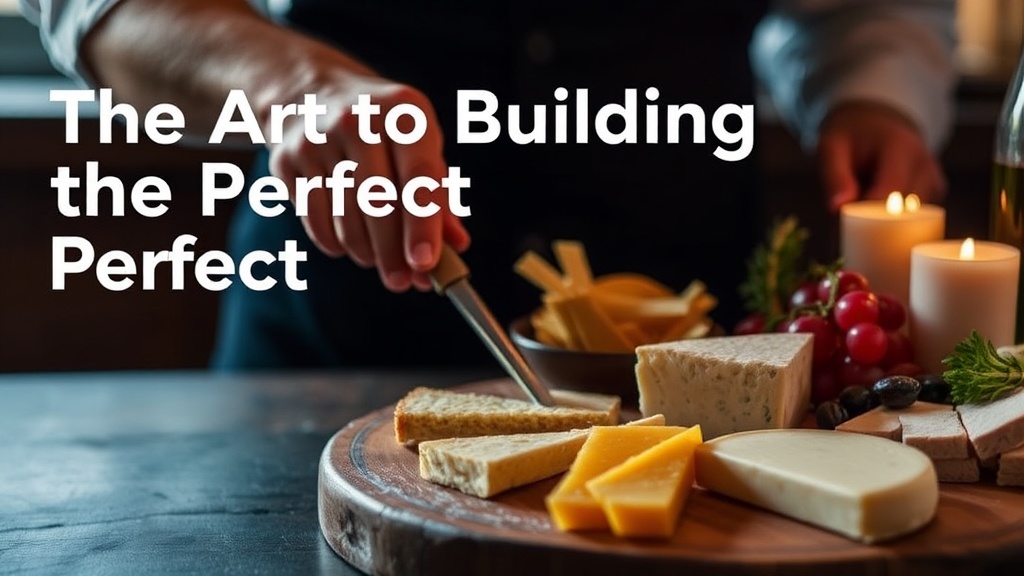
The Art of Building the Perfect Cheese Board: A Step-by-Step Guide

Building a cheese board that wows guests isn't about spending a fortune at a gourmet shop—it's about balance, variety, and a few simple techniques anyone can master. This guide walks through selecting cheeses that complement each other, pairing them with the right accompaniments, and arranging everything into a spread that looks as good as it tastes. Whether you're hosting a dinner party in Montreal or bringing an appetizer to a potluck, these steps will help you create a board that disappears fast.
What Cheeses Should Go on a Cheese Board?
A well-built board needs at least three cheeses with different textures and flavor intensities. The classic approach hits four categories: soft, semi-soft, firm, and blue. This gives guests a path—from mild and creamy to sharp and complex.
Start with a crowd-pleasing soft cheese like Brie de Meaux or Camembert from Normandy. These bloom-rinded classics offer buttery, mushroomy notes that pair with almost anything. For a local Quebec option, Le 1608 from Laiterie Charlevoix delivers that same luscious texture with a distinctly Canadian story.
Next, add a semi-soft cheese with a bit more personality. Port Salut—originally made by Trappist monks in France—has a mild, tangy flavor and an edible orange rind. Or try Havarti (Danish or Canadian-made) for its subtle sweetness and excellent melting quality.
For the firm cheese, look to aged varieties. Comté aged 18 months brings nutty, savory depth. Canadian aged cheddar—like the 5-year from Gunn's Hill Artisan Cheese in Ontario—offers sharp, crystalline bites that stand up to bold accompaniments.
Finally, include a blue cheese—but not just any blue. Roquefort from France carries a Protected Designation of Origin and delivers salty, sheepy intensity. For something milder, Cambozola (a German invention) combines blue veining with a soft, brie-like texture that's less intimidating for blue-cheese newcomers.
Here's the thing: you don't need all four categories. Three excellent cheeses beat five mediocre ones every time. A Brie, an aged cheddar, and a blue make a complete, satisfying board.
How Much Cheese Per Person for a Cheese Board?
Plan on 2 to 3 ounces of cheese per person if the board is an appetizer, and 4 to 5 ounces if it's the main event. That translates to roughly 60-85 grams for a pre-dinner nibble, or 115-140 grams when cheese is the star.
Buy whole wedges rather than pre-cut slices when possible. Pre-cut cheese dries out faster and loses that creamy texture you're paying for. A whole wedge of Brie keeps its interior moist—slice it right before serving (or let guests cut their own) for the best experience.
For a party of eight people enjoying cheese before dinner, you'll want about 1 to 1.5 pounds total. Split that across three cheeses: roughly half a pound each. The catch? Cheeses vary wildly in density. A fluffy triple-cream like Brillat-Savarin looks like more than it weighs, while a dense Parmigiano-Reggiano chunk seems small but packs serious heft.
Worth noting: leftover cheese isn't a tragedy—it's breakfast. Wrap unfinished wedges in Formaticum cheese paper (or wax paper, then loosely in foil) and store in the vegetable drawer. Never seal cheese in plastic wrap; it traps moisture and suffocates the rind, turning your expensive Brie into an ammonia-scented disappointment.
What Crackers and Bread Pair Best with Cheese?
The vehicle matters as much as the cargo. A great cracker or bread should complement the cheese without stealing focus—or falling apart under a soft wedge.
For soft, runny cheeses like Epoisses or a ripe Taleggio, reach for sturdy options. Water crackers (Carr's is the classic) provide neutral crunch. Baguette slices—preferably day-old, toasted until crisp—offer texture without competing flavors.
Semi-soft and firm cheeses work with more assertive partners. seeded crackers (like Raincoast Crisps from Vancouver) add nutty sweetness that plays beautifully with aged Gouda or Manchego. Whole grain bread, sliced thin and lightly grilled, stands up to cheddar's sharpness.
Blue cheeses demand something with structure. Fig and olive crackers, honey wheat thins, or dense raisin-walnut bread balance the salt and funk with sweetness and heft.
| Cheese Type | Best Vehicle | Specific Brand/Style |
|---|---|---|
| Soft (Brie, Camembert) | Water crackers, plain baguette | Carr's Table Water Crackers, fresh French baguette |
| Semi-soft (Havarti, Fontina) | Seeded crackers, multigrain bread | Raincoast Crisps, Mestemacher whole rye |
| Firm aged (Comté, aged cheddar) | Crispbread, fruit-nut bread | Wasa Crispbread, Stonewall Kitchen Fig & Anise bread |
| Blue (Roquefort, Gorgonzola) | Honey crackers, dark bread | 34 Degrees Honey Crisps, pumpernickel |
That said—don't overthink the bread situation. A fresh baguette from Première Moisson or your local bakery, sliced and arranged in a basket, pleases everyone. Warm it slightly before serving; the aroma alone sets the mood.
What Fruits, Nuts, and Extras Complete a Cheese Board?
Cheese loves company. The right accompaniments create flavor bridges—sweetness against salt, acidity against fat, crunch against cream.
Fresh fruit brings brightness and juiciness. Grapes are the classic for good reason: they're bite-sized, not too sweet, and their skins provide textural contrast. Figs—fresh in season, dried year-round—offer honeyed sweetness that complements almost every cheese style. Sliced apples and pears (tossed in lemon water to prevent browning) add crisp acidity. In late summer, fresh peaches or cherries create memorable pairings with soft goat cheese.
Dried fruit concentrates flavors and adds chew. Dried apricots work everywhere. Dates—especially Medjool—pair magically with salty blue cheese. Dried cherries or cranberries bring tartness that cuts through rich triple-creams.
Nuts contribute crunch and earthiness. Marcona almonds from Spain (blanched, fried in oil, salted) are worth the splurge—they're richer and softer than California almonds. Walnuts pair brilliantly with aged sheep's milk cheeses like Manchego. Pistachios add color and a distinctive flavor that plays well with milder cheeses.
Don't stop at fruit and nuts. A small dish of spicy fig jam or quince paste (membrillo) transforms a simple cheese bite into something restaurant-worthy. Local honey—drizzled over blue cheese or served with a honeycomb spoon—makes guests feel special. A few Cornichons (tiny French pickles) or grainy mustard provide acidic counterpoints that reset the palate between bites.
How Do You Arrange a Cheese Board for Maximum Visual Impact?
A beautiful board starts before the cheese touches wood. Choose your surface: a large wooden cutting board, a marble slab (keeps cheese cool), or a slate tile (allows chalk labeling). Size matters—crowding makes everything look cheap and creates practical problems (cheeses touching and flavor-mingling, crackers going soggy).
Place the cheeses first, spaced well apart. Leave soft cheeses whole with a knife nearby; guests enjoy the ritual of cutting into a ripe wheel. Slice a few pieces from firm cheeses as an invitation—no one wants to be first to attack a perfect wedge. Position the blue cheese on its own small plate or at the edge; not everyone loves the flavor, and you don't want blue mold migrating to milder varieties.
Fill the gaps with your supporting cast. Tuck crackers into stacks and lean baguette slices against cheese wedges. Scatter nuts in small piles. Arrange fruit in clusters—odd numbers look more natural than even. Drape prosciutto or other charcuterie (if including) in loose ribbons rather than tight rolls.
Add height and dimension. A small bowl of olives or jam raises the eye. A honey dipper standing in a pot of honey draws attention. Fresh herbs—rosemary sprigs, thyme branches—tucked between items add color and fragrance.
Label everything. Small tags or a chalk pen on slate prevent the awkward "what's this cheese?" interrogation of the host. Include the cheese name and milk type (cow, sheep, goat)—many guests have preferences or restrictions.
Finally—temperature. Cheese straight from the refrigerator is a shadow of itself. Remove cheese from the fridge 45 minutes to an hour before serving. Cold dulls flavor and hardens texture; room temperature allows the fat to soften and the aromas to bloom. The exception? Fresh mozzarella and burrata—serve those cool for the best texture.
"A cheese board is the one dish where imperfection looks better than precision. Embrace the chaotic abundance—let things spill, overlap, and mingle. That's where the beauty lives."
Build your next board with confidence. Start with three distinct cheeses, add complementary vehicles and accompaniments, and arrange with loose intention rather than rigid precision. The result—a spread that invites grazing, sparks conversation, and disappears bite by bite.