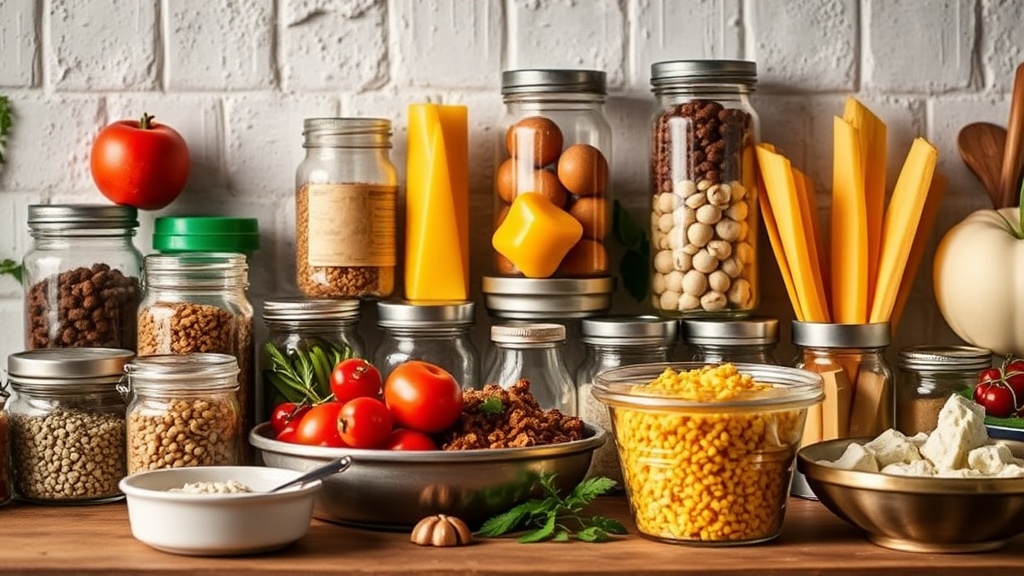
How to Build a Flavorful Pantry: key Ingredients Every Home Cook Needs

What This Guide Covers — and Why It Matters
A well-stocked pantry isn't about having everything. It's about having the right things — ingredients that work hard, play well together, and turn a Tuesday night "what's for dinner?" into something worth sitting down for. This guide breaks down the building blocks: oils and vinegars that add depth, aromatics that start every good dish, shelf-stable staples that save the day, and those small-but-mighty extras that make the difference between bland and memorable. You'll walk away with a practical framework — not a shopping list the length of a novel — and the confidence to cook without constantly running to the store.
What Are the Best Oils and Vinegars for Everyday Cooking?
The foundation of flavorful cooking starts with quality fats and acids. Extra virgin olive oil belongs in every kitchen — but not just one kind. A peppery, cold-pressed Greek or Spanish variety (like Kerrygold or California Olive Ranch) shines in vinaigrettes and as a finishing drizzle. For high-heat cooking? You'll want something with a higher smoke point. Avocado oil handles 500°F without breaking down, and refined grapeseed oil works for searing without adding competing flavors.
Vinegars deserve equal attention. Red wine vinegar tackles hearty salads and marinades. Sherry vinegar — the underrated workhorse — brings nutty complexity to pan sauces. Balsamic from Modena (look for the IGP label) reduces into syrupy glaze or finishes roasted vegetables. Rice vinegar keeps Asian-inspired dishes bright without harshness.
Here's the thing: you don't need twelve bottles. Four covers most bases.
| Task | Best Choice | Why It Works |
|---|---|---|
| Finishing salads | Extra virgin olive oil + sherry vinegar | Fruity meets nutty; won't overpower delicate greens |
| High-heat searing | Avocado or grapeseed oil | Smoke points above 450°F; neutral flavor |
| Pan sauce deglazing | Dry white wine or sherry vinegar | Acidity cuts richness; adds complexity |
| Asian dressings/marinades | Toasted sesame oil + rice vinegar | Authentic flavor profile; balanced acidity |
| Sweet-savory finishing | Aged balsamic | Natural sweetness; syrupy body |
Which Aromatics and Alliums Should Always Be on Hand?
Onions, garlic, shallots, and ginger — these four transform raw ingredients into dinner. Yellow onions (3-5 pounds, always) provide the base for soups, sauces, and braises. Garlic — fresh, not pre-minced in jars — offers sweetness when slow-cooked and sharpness when raw. Shallots split the difference between onion and garlic, melting into vinaigrettes and pan sauces with subtle sophistication.
Fresh ginger keeps for weeks in the freezer. (Worth noting: it's easier to grate when frozen.) Keep a knob wrapped in the freezer door — it'll be there when stir-fry night hits.
Beyond the fresh stuff, build a dry goods section: granulated garlic and onion powder (not salt — you control the sodium), smoked paprika (sweet or hot, your call), cumin (whole seeds toast better than pre-ground), and red pepper flakes. Bay leaves — Turkish, not California — perfume long-simmered dishes without announcing themselves.
The catch? Spices go stale. Whole spices last two to four years; ground spices lose potency within six to twelve months. Buy small amounts from stores with high turnover — Penzey's Spices or local ethnic markets in Montreal's Jean-Talon area beat supermarket jars that sat in warehouses for months.
What Shelf-Stable Staples Make Weeknight Cooking Possible?
These are the ingredients that rescue dinner when the fridge holds only condiments and hope. Good canned tomatoes — San Marzano DOP if you can find them, Bianco DiNapoli or Muir Glen otherwise — outperform fresh eight months of the year. They break down into sauce, bulk up soups, or become shakshuka on lazy Sundays.
Dried pasta (De Cecco or Martelli for shapes; Rustichella d'Abruzzo for long pasta), canned beans (Rancho Gordo if you're splurging, Goya if you're not), and quality chicken or vegetable stock (Imagine or Pacific when homemade isn't happening) form the backbone of emergency meals. Coconut milk — full-fat, always — pivots toward Thai curries or dairy-free creamy soups.
Grains matter too. Short-grain rice for everyday eating. Arborio for risotto that actually works. Quinoa or farro for grain bowls. Rolled oats — not instant — for breakfast andKing Arthur Baking-style crisps.
Don't overlook the umami bombs: tomato paste in tubes (keeps forever), fish sauce (Red Boat or Three Crabs), soy sauce (Kikkoman or Yamasa — check the label for brewed, not chemically processed), and miso paste (white or awase for versatility). These don't make food taste Asian — they make food taste like something.
How Do You Stock Refrigerated Flavor Boosters?
The cold section separates functional kitchens from exceptional ones. Butter — European-style, higher fat — browns better and tastes richer. Keep salted for spreading, unsalted for baking and sauce-making. Parmigiano-Reggiano, bought in wedges and grated fresh, delivers that nutty, crystalline magic that pre-grated "Parmesan" in green cans never approaches.
Mustard — Dijon (Maille or Amora) and whole-grain — emulsifies vinaigrettes and brightens sandwiches. Mayonnaise (Kewpie for potato salad and dipping; Hellmann's for everything else) carries flavor and fat when butter won't work. Worcestershire sauce, hot sauce (Frank's for buffalo, Cholula for eggs, something face-melting for the brave), and prepared horseradish each solve specific problems.
That said — citrus. Lemons and limes aren't garnish. They're ingredients. The acid wakes up flat flavors, balances richness, and provides that "what's in this?" quality that keeps people asking for recipes.
What About Nuts, Seeds, and Dried Fruit?
Texture transforms. Toasted pine nuts turn simple pasta into something restaurant-worthy. Walnuts add bitterness and crunch to salads. Almonds — sliced, slivered, or whole — become granola, crust for fish, or midday snacks.
Dried cherries, apricots, and dates bridge sweet and savory. They go into grain salads, tagines, or cheese boards. Tahini — Soom or Al Wadi — becomes hummus, dressing, or halva if you're ambitious.
Store nuts in the freezer. The oils turn rancid faster than you'd think, and nobody wants walnut soup that tastes like old cardboard.
How Much Should You Actually Buy?
The goal isn't a pantry that rivals a gourmet shop. It's a working collection — ingredients that disappear and get replaced because you use them, not because they look impressive behind glass jars.
Start with the table above. Add one new vinegar or oil each month. Replace spices twice yearly (September and March work — easy to remember). Buy the good Parmesan, but don't feel guilty about canned beans. Build slowly. Taste as you go.
Montreal's markets — Jean-Talon especially — reward curious cooks. That weird grain you've never seen? The unfamiliar vinegar? Try it. The worst outcome is one odd dinner. The best? A new staple that changes how you cook.
Flavor isn't about complexity. It's about knowing your ingredients well enough to let them do their jobs.