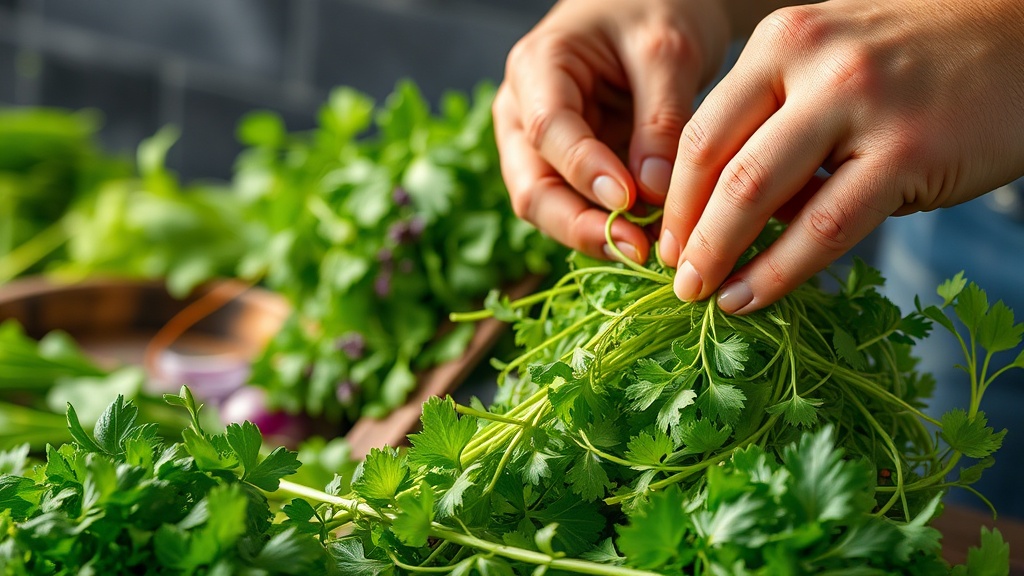
Fresh Herbs: Timing is Everything for Vibrant Flavor

Achieving truly vibrant, aromatic dishes often comes down to one overlooked detail: when you add your fresh herbs. Many home cooks simply toss them in at the beginning, assuming they'll infuse the dish throughout. This common approach, however, can leave you with muted flavors and disappointing results. Understanding the subtle differences between delicate and woody herbs—and precisely when each should join your culinary creation—is how you unlock their full potential. This quick guide shares the timing secrets that professional chefs rely on, transforming everyday meals into something truly special.
What’s the Real Difference Between Delicate and Woody Herbs?
Herbs generally fall into two distinct categories, and identifying which type you're working with directly influences your cooking strategy. Woody herbs—like rosemary, thyme, sage, and oregano—possess sturdy stems and tougher, more resilient leaves. Their aromatic compounds are tightly held, meaning they require sustained heat and cooking time to properly release their full, earthy flavors. Think of them as flavor builders that need a head start.
Delicate herbs, on the other hand, include varieties such as parsley, basil, cilantro, chives, mint, and dill. These have tender leaves and soft stems. Their volatile oils are incredibly sensitive to prolonged heat; too much exposure can quickly diminish their bright freshness, turning them bitter or, worse, flavorless. They're the bright finishers, best preserved for a flourish.
When Do Woody Herbs Truly Shine in a Dish?
For woody herbs, think "early and slow." Integrate them into your cooking process relatively early—often alongside your initial aromatics like onions and garlic, or within the first 15-20 minutes of simmering a sauce or stew. This longer exposure to heat allows their complex flavors to properly bloom and meld, becoming an integral part of the dish’s deep, foundational taste. For roasted meats or vegetables, sprigs of rosemary or thyme can go into the pan from the outset; they can handle the oven's heat and will generously flavor the food. For further reading on these versatile herbs,